Today dawned gloomy, as the hurricane skirts past. My plans to go downtown and meet folks fell through yesterday, so while I had a great, long, and satisfying gardening session instead, I was feeling the need to get out of the house. Inspired by how my friend Alice takes her freelance work on the road around her town, I've been checking out "third place" spots for me. (Alice's life often appears to me as the epitome of urban sophisticated lifestyle.) Today, I paid attention to how I dressed, loaded the laptop into the backpack and marched to downtown Silver Spring (just above a mile away). I had little food in the house, and a taste for Kaldi's mushroom toast.
I've been here over two hours, settled in with the laptop truly on my lap, surveying the people, learning about loading and editing youtube videos, posting away on the gardening blog. The combination of the great social space, fabulous healthy food, and responsive wifi tells me I've found at least one of my on-going spots. This is my third visit, and I'm feeling completely at home. Something to compare to Alice's Joyist hangout.
The space has a modern, industrial vibe, and the clientale reflects the diversity of my town. University professors, millenials, immigrants, mothers with toddlers, folks on laptops, folks having conversations. And, besides coffee and good breakfast / sandwich / salad food, it's got a liquor license! I'm wearing over-the-ear headphones, piping in my own quiet classical music, as a nearby toddler was on the verge of irritating me. I didn't want to make the mother feel worse, and I think it's ok to be subject to (some) disturbance in public spaces - that's part of being out in the world.
Kaldi's Social House
Friday, September 6, 2019


Wednesday, September 4, 2019
My Heart
Too little sailing this summer (or any summer, for that matter). Too many other things on my plate, including doing nothing at all. Besides, my sailing partner is not yet retired, very engaged in her community, and uses scarce vacation time to travel with her husband. So while the boat has been out (and more often than the past couple of years), it hasn't been a lot.
We finally carved out time and space for a three-day cruise. It has been a couple of years since we've done more than just a single overnight, so we had some work to do, getting the boat ready to support us for an extended time. On a summer day sail, we don't spend any time below deck in the cabin. We did work on the plumbing and electrical systems, made sure we had stove fuel and ability to make coffee, and did extensive de-cluttering to have space to move below.
My sailing partner is one of my best friends from high school, "J". We used to skip school to go sailing together. We took her family's small, open, sailboat for a week at a time on cruises along Fire Island, lashing a tarp over the boom to sleep. I was J's maid of honor when she was married. But through multiple moves for each of us and diverging life paths, we lost touch with each other in our forties. This was before the internet, when we were dependent on Christmas cards for the basic check-in, and the post office only forwarded mail for two years. Miss a year on the cards, and poof! Gone! Through mutual friends back in the home town, I had some vague idea of the outlines of her life, and her of mine. She was living somewhere in Pennsylvania, and I was in the Maryland suburbs of DC.
Then one day around the turn of this century, out of the blue I got a call from J. She had a short-term contract job for a contractor to the federal government and so was in the area. We met for dinner, and I realized she was paying out of pocket living expenses. Of course I asked her to stay with me in my guest room. She was the perfect house mate - home to her family on weekends, backup dog sitter during the week, self-sufficient in all ways. It was so delightful to realize that an old friend had become a new friend! Despite the different courses of our lives, we really connected well. She stayed three months.
As her stay was coming to an end, I propositioned her. I had learned she had inherited a little pocket cruising sailboat upon her father's untimely death. It was sitting on a trailer on a farm field in Pennsylvania, and she was in no position to bear the expenses of operating it - especially because her husband is an unenthusiastic and queasy sailor (though a good sport), so it wasn't a family priority. My deal was, if she supplied the boat and expertise, I'd bear most of the expenses. So on a cold, drizzly day in November, we went marina shopping, starting in Baltimore and checking out multiple places on the creeks along the Patapsco River. We ended up selecting the last one we found. That spring, J hooked the trailer to her van, and drove it down and dropped it in a nearby boatyard for commissioning. Several weekends we spent working on Salud, and finally dunked her and putted up to our new marina. Fun times for a few years in the little pocket cruiser with an outboard motor.
But after gaining some confidence for a few years, I yearned to go further afield in a more substantial boat. Salud was really seaworthy, but so small that moving aboard required coordinating with anyone else on board. Used fiberglass boats last virtually forever, and so can be found surprisingly affordable. In 2004, I bought my Mutima. She is considered small by today's standards at 28', but for 2-4 people she is sweet. Since both J and I are short, we can stand fully in the cabin. She is just small enough that in anything less than a full gale, we can pull her around a dock with brute strength. She has an inboard diesel engine (turn key, press button, she starts every time). She has a toilet, running hot and cold water, and an alcohol stove. J is fully my partner in taking care of her, and has boat privileges to go out without me. But she is my tiny little home on the water.
It took a long time to come up with the name. "Mutima" is a word that in several African languages of the Bantu family (including Swahili) means "my heart" and is often used as a proper name. In my brother-in-law's family, it is the nick-name mothers call their first daughter as a baby. Mutima is my happy place - my cozy bunk in her cabin is what comes to mind when visualizing where I feel safe and happy.
Sailing as an activity is also very important to me. Reading in Atomic Habits today, it was explained we enjoy activities where we are challenged but have a good chance to be successful. Sailing is most often in that sweet spot for me. Rarely boring, sometimes exciting, a tiny bit genuinely dangerous, it fulfills something in my soul. And J and I are so comfortable together that facing storms, contrary seas, biting flies, broken equipment, etc., are all handled with minimal fuss.
This last weekend, we didn't have any of those problems. Things were close to perfect! We galloped down the bay at half again as fast as most of our summer day sails. We anchored in the early afternoon in a creek we had never been before. Minor boat chores, some swimming off the boat, and just hanging about and reading and chatting filled the day. We had prepared food in advance, so we had a tasty cold supper of roast chicken, cauliflower salad, ginger green beans, and sesame noodles. I was asleep with the falling of dark. The next morning, after coffee, we had a more frustrating motor-sail in fluky winds and a strong adverse current about half way back up north, again anchoring in a lovely sheltered creek in mid-afternoon. Repeat of the afternoon and evening activities. Monday's sail back north was speedy and fun, with a great, favorable wind taking us where we wanted to go.
I was so tired when we got back. We cleaned her up, offloaded stuff, and added on basic hurricane prep, just in case of Dorian. I was asleep by 8:30 that night. The next day I woke stiff and moved painfully, but a half hour down in the basement gym loosened me up and I feel great!
 |
| Early voyage |
My sailing partner is one of my best friends from high school, "J". We used to skip school to go sailing together. We took her family's small, open, sailboat for a week at a time on cruises along Fire Island, lashing a tarp over the boom to sleep. I was J's maid of honor when she was married. But through multiple moves for each of us and diverging life paths, we lost touch with each other in our forties. This was before the internet, when we were dependent on Christmas cards for the basic check-in, and the post office only forwarded mail for two years. Miss a year on the cards, and poof! Gone! Through mutual friends back in the home town, I had some vague idea of the outlines of her life, and her of mine. She was living somewhere in Pennsylvania, and I was in the Maryland suburbs of DC.
 |
| Winter day |
Then one day around the turn of this century, out of the blue I got a call from J. She had a short-term contract job for a contractor to the federal government and so was in the area. We met for dinner, and I realized she was paying out of pocket living expenses. Of course I asked her to stay with me in my guest room. She was the perfect house mate - home to her family on weekends, backup dog sitter during the week, self-sufficient in all ways. It was so delightful to realize that an old friend had become a new friend! Despite the different courses of our lives, we really connected well. She stayed three months.
As her stay was coming to an end, I propositioned her. I had learned she had inherited a little pocket cruising sailboat upon her father's untimely death. It was sitting on a trailer on a farm field in Pennsylvania, and she was in no position to bear the expenses of operating it - especially because her husband is an unenthusiastic and queasy sailor (though a good sport), so it wasn't a family priority. My deal was, if she supplied the boat and expertise, I'd bear most of the expenses. So on a cold, drizzly day in November, we went marina shopping, starting in Baltimore and checking out multiple places on the creeks along the Patapsco River. We ended up selecting the last one we found. That spring, J hooked the trailer to her van, and drove it down and dropped it in a nearby boatyard for commissioning. Several weekends we spent working on Salud, and finally dunked her and putted up to our new marina. Fun times for a few years in the little pocket cruiser with an outboard motor.
 |
| Snug, with no sails, in her slip |
But after gaining some confidence for a few years, I yearned to go further afield in a more substantial boat. Salud was really seaworthy, but so small that moving aboard required coordinating with anyone else on board. Used fiberglass boats last virtually forever, and so can be found surprisingly affordable. In 2004, I bought my Mutima. She is considered small by today's standards at 28', but for 2-4 people she is sweet. Since both J and I are short, we can stand fully in the cabin. She is just small enough that in anything less than a full gale, we can pull her around a dock with brute strength. She has an inboard diesel engine (turn key, press button, she starts every time). She has a toilet, running hot and cold water, and an alcohol stove. J is fully my partner in taking care of her, and has boat privileges to go out without me. But she is my tiny little home on the water.
 |
| Earsplitting grin is customary |
Sailing as an activity is also very important to me. Reading in Atomic Habits today, it was explained we enjoy activities where we are challenged but have a good chance to be successful. Sailing is most often in that sweet spot for me. Rarely boring, sometimes exciting, a tiny bit genuinely dangerous, it fulfills something in my soul. And J and I are so comfortable together that facing storms, contrary seas, biting flies, broken equipment, etc., are all handled with minimal fuss.
 |
| Always wonder if we'll fit! |
This last weekend, we didn't have any of those problems. Things were close to perfect! We galloped down the bay at half again as fast as most of our summer day sails. We anchored in the early afternoon in a creek we had never been before. Minor boat chores, some swimming off the boat, and just hanging about and reading and chatting filled the day. We had prepared food in advance, so we had a tasty cold supper of roast chicken, cauliflower salad, ginger green beans, and sesame noodles. I was asleep with the falling of dark. The next morning, after coffee, we had a more frustrating motor-sail in fluky winds and a strong adverse current about half way back up north, again anchoring in a lovely sheltered creek in mid-afternoon. Repeat of the afternoon and evening activities. Monday's sail back north was speedy and fun, with a great, favorable wind taking us where we wanted to go.
I was so tired when we got back. We cleaned her up, offloaded stuff, and added on basic hurricane prep, just in case of Dorian. I was asleep by 8:30 that night. The next day I woke stiff and moved painfully, but a half hour down in the basement gym loosened me up and I feel great!
 |
| Nearly home |
Sunday, August 18, 2019
Query: How Do You Incorporate Movement Through the Day?
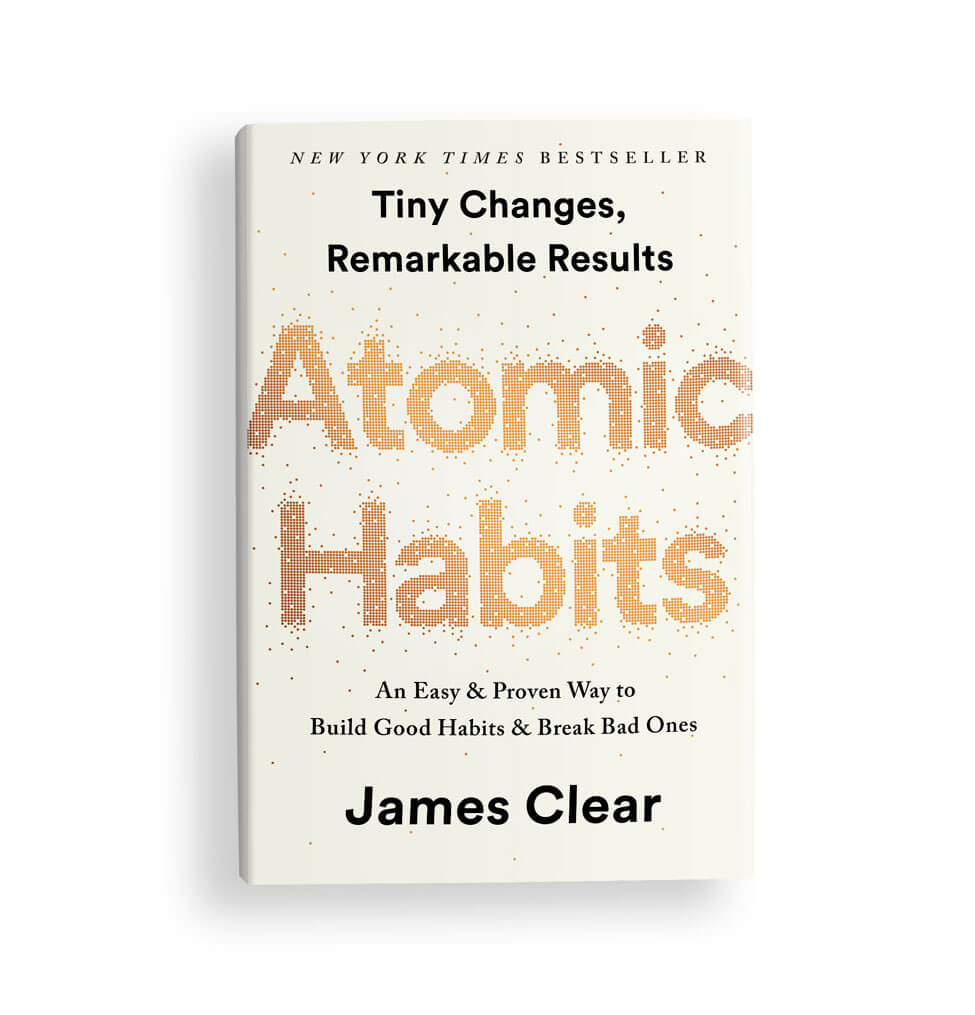 I blew up every habit I have when I retired, and now I'm trying to build in new, good, habits. Of course there is a book I'm reading - Atomic Habits by James Clear. It's a fairly typical self-help book - rules to follow to build consistent habits. Useful.
I'm being very consistent (this month) with exercise. For August, I'm near 100% on exceeding my daily minimum baselines: (1) out the door, in my workout clothes, for at least 10 minutes of walking, and (2) down to my home gym for at least 10 minutes of functional exercise and stretching. I'm working on other areas of my life as well, but what is occupying my thoughts at this moment is understanding what I need to do after my morning workouts to make sure I don't spend the rest of the day sinking into the couch.
When I worked, there was a fair amount of movement in the course of the day. Just to go to the bathroom was about 250 steps round trip. My normal course of the day involved walking around the building to meetings, out to the food trucks, and so on. On my weekends, housework and chores kept me from freezing in place. Even without any conscious walking involved, a normal day at work or home was more than 5,000 steps. (Thanks, fitbit, for the stats.) Now, if I don't consciously go for a walk, it's easy to stay below that level. Even on a day when I'm social or shopping, I'm driving or riding metro, and I don't automatically keep moving.
I'm happy I'm exercising, but I need to get up and move more during the day. So since I know people who either have or were working primarily at home, here is my query: how do you keep from freezing in your chair for hours at a time? What tips for incorporating incidental movement can you share? Or does it need to be more conscious - should I get up every hour and do some jumping jacks?
As I write this, I've been in my chair for slightly more than an hour and I ought to move.
Monday, August 12, 2019
Food Goals
As much as I'm a supporter of the body positivity movement, I don't feel it in my gut. I would like to lose weight. I would like to be thinner. The real reason for that is because I want to look better and wear clothes that show it, though I know losing weight would also bring some benefits about being healthier and feeling better.
I also have learned and explored what it takes to lose weight, and I'm currently not really ready to make that commitment. I am committed to better health and being stronger through exercise - weight training and walking and running. I am seriously committed to that. (I know that following through on being fit will also make me look better, but that is not my primary motivation for the exercise.) I'm not yet ready to make the huge mental commitment of the planning and cooking and, yes, denial and self-control that weight loss demands. But I can take some baby steps toward what it takes, focusing only on the process. The results on the scale will be what they are.
My immediate goals include tracking my food. I'm back on My Fitness Pal, after having deleted it from my devices a while ago. I have tried other ways of tracking my food, and this big database and always-with-me app is the way I want to go. Tracking does so many things, and foremost among them is making me conscious of what I am eating. Awareness can be a precursor to change.
My next goal is to enjoy every bite. Mindful eating also leads to awareness. Making sure that every bite that goes in is enjoyable should also make my life, well, more enjoyable! So, I may try to eat very mindfully, as in sitting down, no book or radio or tv on, conscious of chewing thoroughly before swallowing and preparing the next bite on the fork. This is not likely to a resolution I would stick to for every meal for very long, so I'm setting the minimum standard a bit lower - just keeping track of enjoyment, trying to make eating conscious rather than automatic.
Lastly, I want to re-emphasize cooking and reducing food waste. It seems to be able to eat vegetables a lot, I have to buy and cook them myself. Prepared or frozen foods from the supermarket to eat at home are not big on vegetables. I've drifted away from vegetables, and I think relying on convenience foods is what has done that. (I can steer towards vegetables when eating in a restaurant with friends, so this is about the choices I make when solo).
I'm having to learn about volumes, since I mostly am cooking for myself. I go to farmer's markets and overbuy, and end up ditching what used to be lovely vegetables, or even tasty leftovers that have been too long in the fridge. I'm getting better. I'm in an eggplant and zucchini phase - using the mandolin to slice very thin (wearing my protective steel mesh glove since I have injured myself in the past!) and then roasting or grilling after some time marinading. This week, I only bought one each of the eggplant and zucchini, instead of three. I bought the smallest cabbage I could find, and I shredded half of it and made coleslaw, and sliced the other half for sauteing with eggs for a hot meal.
I am nuts on seasonal fruit right now. In my kitchen are a watermelon, peaches, blueberries, and cherries. All but the cherries are from the farmer's market. I'm not shy about pigging out with the fruit, but I still need to maintain vigilance about not over-buying. Only two peaches this week, and the blueberries are from ten days ago. The watermelon was cut open three days ago, and I need to finish it up tonight.
My newest breakfast is yogurt and fruit. I have often aspired to eat more conventional breakfasts that don't require cooking, but I've never had any luck with any form of cereal or granola or bread for breakfast. I always seem to end up outrageously hungry and craving carbs for the rest of the day. I found a brand of high protein, full fat yogurt (Icelandic skyr) and served with my peaches and blueberries, nuts and chia seeds, so far so good.
So current goals: Track, Enjoy, and Cook with less waste.
I also have learned and explored what it takes to lose weight, and I'm currently not really ready to make that commitment. I am committed to better health and being stronger through exercise - weight training and walking and running. I am seriously committed to that. (I know that following through on being fit will also make me look better, but that is not my primary motivation for the exercise.) I'm not yet ready to make the huge mental commitment of the planning and cooking and, yes, denial and self-control that weight loss demands. But I can take some baby steps toward what it takes, focusing only on the process. The results on the scale will be what they are.
My immediate goals include tracking my food. I'm back on My Fitness Pal, after having deleted it from my devices a while ago. I have tried other ways of tracking my food, and this big database and always-with-me app is the way I want to go. Tracking does so many things, and foremost among them is making me conscious of what I am eating. Awareness can be a precursor to change.
My next goal is to enjoy every bite. Mindful eating also leads to awareness. Making sure that every bite that goes in is enjoyable should also make my life, well, more enjoyable! So, I may try to eat very mindfully, as in sitting down, no book or radio or tv on, conscious of chewing thoroughly before swallowing and preparing the next bite on the fork. This is not likely to a resolution I would stick to for every meal for very long, so I'm setting the minimum standard a bit lower - just keeping track of enjoyment, trying to make eating conscious rather than automatic.
Lastly, I want to re-emphasize cooking and reducing food waste. It seems to be able to eat vegetables a lot, I have to buy and cook them myself. Prepared or frozen foods from the supermarket to eat at home are not big on vegetables. I've drifted away from vegetables, and I think relying on convenience foods is what has done that. (I can steer towards vegetables when eating in a restaurant with friends, so this is about the choices I make when solo).
I'm having to learn about volumes, since I mostly am cooking for myself. I go to farmer's markets and overbuy, and end up ditching what used to be lovely vegetables, or even tasty leftovers that have been too long in the fridge. I'm getting better. I'm in an eggplant and zucchini phase - using the mandolin to slice very thin (wearing my protective steel mesh glove since I have injured myself in the past!) and then roasting or grilling after some time marinading. This week, I only bought one each of the eggplant and zucchini, instead of three. I bought the smallest cabbage I could find, and I shredded half of it and made coleslaw, and sliced the other half for sauteing with eggs for a hot meal.
I am nuts on seasonal fruit right now. In my kitchen are a watermelon, peaches, blueberries, and cherries. All but the cherries are from the farmer's market. I'm not shy about pigging out with the fruit, but I still need to maintain vigilance about not over-buying. Only two peaches this week, and the blueberries are from ten days ago. The watermelon was cut open three days ago, and I need to finish it up tonight.
My newest breakfast is yogurt and fruit. I have often aspired to eat more conventional breakfasts that don't require cooking, but I've never had any luck with any form of cereal or granola or bread for breakfast. I always seem to end up outrageously hungry and craving carbs for the rest of the day. I found a brand of high protein, full fat yogurt (Icelandic skyr) and served with my peaches and blueberries, nuts and chia seeds, so far so good.
So current goals: Track, Enjoy, and Cook with less waste.
Saturday, August 10, 2019
CRASH!
Oh no. I developed a migraine within minutes of waking up Friday morning. What an ironic, self-fulfilling prophecy! There I was, patting myself on the back for going slow and building up nicely to a better fitness. I went to sleep contemplating booking a specific new travel adventure, thinking "oh yes, I'm good, I'm strong, I can do that, I'm up to it". So here I am, huddling in my (beautiful new) basement, away from the sunshine and construction noise next door, with the screen brightness turned down, feeling infinitely sorry for myself. I have migraine brain, meaning I'm thinking slowly and with difficulty.
This is the third crash in three months. The first time I know I went too far too fast. The second time, more cautious, I blamed it on hundred-degree weather. Now, I'm pretty sure I did this to me, not truly a physical cause. I should be able to fix this. Sure, it's all my fault, thinking this is how I got to this pickle in the first place.
Chronic pain and its nexus to emotional state is a very sensitive subject. There is a growing body of evidence that much chronic pain is not purely physical. For example, an examination of almost any middle-aged spine in this country will show physical deterioration, but not everyone with similar physical conditions experience pain at all. What is the difference between the responses? This is where the controversy starts.
There is one school of thought that much chronic pain is a physical response to suppressed emotional responses, often related to childhood trauma. Another school of thought leaves alone the emotional side and focuses on the central nervous system. According to this line of thought, pain is a learned response, and the central nervous system is hyper-sensitive to any pain stimulation. Chronic back pain that lingers long after the initial trauma is resolved can be a learned pattern, for example. Both theories can be true at the same time - pain can serve as a useful mechanism for protecting someone, and then the response of feeling the pain can take over after the initial useful function is served. According to the thinking here, the solution does not lie in surgery or drugs, but in either or both of learning how to experience real emotions, and finding a way to break the hyper-sensitivity pattern. There are various formulations of talk therapy, mindfulness meditation, emotional writing exercises, combined with a graduated re-introduction of physical movement, with or without PT. Drugs are used in the short term for acute pain only - for example, muscle relaxants for back spasms, ibuprophen for inflammation, triptans for migraines. No maintenance drugs.This version of understanding chronic pain is still evolving, so there isn't a single term for it. Psychophysiological pain disorder (PPD), and mind-body syndrome (MBS) are the terms that I hear from practitioners I trust.
Many sufferers from chronic pain are outraged by this whole line of thinking. It ventures very near a blame the victim mentality, and at first glance appears to say "it's all in your head, just snap out of it". All the reading I've done on this subject tries hard to maintain a distinction. The pain is real. In an fMRI machine, there is no difference in the brain response between recent non-acute trauma and long-standing chronic pain. But all pain is subjective - it's all in your head. You feel pain. There is no objective measurement of its severity or acuteness - medical people have to ask, "On a scale of 1 - 10, what are you feeling?". And of course there is a history in this country of doctors ignoring pain management and leaving pain untreated. And the adherents to the "fix chronic pain through mindwork" approach can feed this reaction. For instance, there is one school of thought that belief in the mental techniques is essential, so use of even short term pain killers shows a lack of belief, undermines treatment, and thus painkillers shouldn't be used ever. This is cult thinking: if mental magic doesn't work, the fault lies in the person who didn't believe strongly enough.
This debate strikes me as a bit similar to how thinking has evolved on healthful eating. In the 1970s, Dr. Atkins first suggested that cutting sugar and other carbs could lead to healthier outcomes than cutting out fat. He reveled in his rebel status and the medical establishment reviled him and his heretical diet, even proposing it was worthy of criminal prosecution. (Dr. Atkins died relatively young which even today people point to as evidence his diet is bad. The truth is the doctor died from a fall.) On the other hand, adherents to the Atkins diet had a religious reverence for him, very like a cult. No deviation from his written guidance. But now decades later, and only with great reluctance, more and more science has moved towards recommending eating more like the way Atkins suggested - fewer simple carbs and sugars, don't worry much about (good) fats. The doctor was more extreme, but there was a lot of truth in his proposals, but the medical establishment and the diet industry just didn't want to hear it.
The modality I'm following for my chronic pain doesn't require absolute obedience to any doctrine. It involves a multi-pronged self-help approach of education, guided expressive and analytical writing, mindfulness meditation, guided visualizations, and self-talk (CBT). As I've worked this approach from all the angles, I've had several useful realizations. One is that my pain has served me. When I was working, a back spasm or a migraine was an excuse not to go to work. I loved my work - truly - but it was stressful and my sense of responsibility made it hard to just take time off for me. Related, but also true and painful to admit, my pain allowed me to retreat from family obligations. I love my family (yes, even more than work) but it gets tiring being the responsible one. So my pain (painful as it is - haha!) gave me space from obligations.
So how are my crashes serving me now that I don't need an excuse to avoid work? I still have many (and joyful) family obligations, and guilt over retreating from the public square to be such a lotus-eater, so avoidance mechanisms certainly have their usefulness. But I think today's migraine comes from the adventure travel I was contemplating booking (though there is never a simple single cause for anything). I'm still on the fence on whether to go for the trip - expensive, complicated logistics to be sorted out quickly, doing it by myself takes lots of gumption - but when I first felt the headache I felt a twinge of relief with the unbidden thought, "I can't go". Sigh.
I did decide today to stick with my minimum baseline physical routine, despite the migraine. I put on my workout clothes, dark glasses and a hat, and went for a morning walk. It was tough with the migraine and I wasn't much faster than when I have my old dog slowing me down. I even needed to sit on a bench for a few minutes to calm the nausea. My heartrate was up as if I were running. When I got home, I drank two tumblers of water and I went down to the basement gym, where I fumbled through about half my normal routine in twice the time - but I showed up.
My thinking is that while I need to work on that overactive amygdala (visualizations are helping now) the body also needs to get stronger. So something is better than nothing in the physical realm. And to the extent my unconscious self is driving the symptoms, I don't want to reward unconscious-me with not having to exercise.
This afternoon, I'm off to a current events discussion group followed by some folks at a happy hour. Not sure about alcohol, but I want to not mope in the dark, quiet, basement all day. If the migraine persists, I'll take my triptan first thing in the morning.
Here are some links to reading and resources on the topic of chronic pain:
The Psycho-physiological Pain Disorders Association - great website
Institute for Chronic Pain
TMS Wiki
NYT first-person story about chronic pain - the comments are mostly people indignant at the suggestion one can manage pain with mind-work.
Excellent book on topic - Unlearn Your Pain by Dr. Howard Schubiner
App I'm using - Curable
Here is where I first wrote about my chronic pain: Chronic
This is the third crash in three months. The first time I know I went too far too fast. The second time, more cautious, I blamed it on hundred-degree weather. Now, I'm pretty sure I did this to me, not truly a physical cause. I should be able to fix this. Sure, it's all my fault, thinking this is how I got to this pickle in the first place.
Chronic pain and its nexus to emotional state is a very sensitive subject. There is a growing body of evidence that much chronic pain is not purely physical. For example, an examination of almost any middle-aged spine in this country will show physical deterioration, but not everyone with similar physical conditions experience pain at all. What is the difference between the responses? This is where the controversy starts.
There is one school of thought that much chronic pain is a physical response to suppressed emotional responses, often related to childhood trauma. Another school of thought leaves alone the emotional side and focuses on the central nervous system. According to this line of thought, pain is a learned response, and the central nervous system is hyper-sensitive to any pain stimulation. Chronic back pain that lingers long after the initial trauma is resolved can be a learned pattern, for example. Both theories can be true at the same time - pain can serve as a useful mechanism for protecting someone, and then the response of feeling the pain can take over after the initial useful function is served. According to the thinking here, the solution does not lie in surgery or drugs, but in either or both of learning how to experience real emotions, and finding a way to break the hyper-sensitivity pattern. There are various formulations of talk therapy, mindfulness meditation, emotional writing exercises, combined with a graduated re-introduction of physical movement, with or without PT. Drugs are used in the short term for acute pain only - for example, muscle relaxants for back spasms, ibuprophen for inflammation, triptans for migraines. No maintenance drugs.This version of understanding chronic pain is still evolving, so there isn't a single term for it. Psychophysiological pain disorder (PPD), and mind-body syndrome (MBS) are the terms that I hear from practitioners I trust.
Many sufferers from chronic pain are outraged by this whole line of thinking. It ventures very near a blame the victim mentality, and at first glance appears to say "it's all in your head, just snap out of it". All the reading I've done on this subject tries hard to maintain a distinction. The pain is real. In an fMRI machine, there is no difference in the brain response between recent non-acute trauma and long-standing chronic pain. But all pain is subjective - it's all in your head. You feel pain. There is no objective measurement of its severity or acuteness - medical people have to ask, "On a scale of 1 - 10, what are you feeling?". And of course there is a history in this country of doctors ignoring pain management and leaving pain untreated. And the adherents to the "fix chronic pain through mindwork" approach can feed this reaction. For instance, there is one school of thought that belief in the mental techniques is essential, so use of even short term pain killers shows a lack of belief, undermines treatment, and thus painkillers shouldn't be used ever. This is cult thinking: if mental magic doesn't work, the fault lies in the person who didn't believe strongly enough.
This debate strikes me as a bit similar to how thinking has evolved on healthful eating. In the 1970s, Dr. Atkins first suggested that cutting sugar and other carbs could lead to healthier outcomes than cutting out fat. He reveled in his rebel status and the medical establishment reviled him and his heretical diet, even proposing it was worthy of criminal prosecution. (Dr. Atkins died relatively young which even today people point to as evidence his diet is bad. The truth is the doctor died from a fall.) On the other hand, adherents to the Atkins diet had a religious reverence for him, very like a cult. No deviation from his written guidance. But now decades later, and only with great reluctance, more and more science has moved towards recommending eating more like the way Atkins suggested - fewer simple carbs and sugars, don't worry much about (good) fats. The doctor was more extreme, but there was a lot of truth in his proposals, but the medical establishment and the diet industry just didn't want to hear it.
The modality I'm following for my chronic pain doesn't require absolute obedience to any doctrine. It involves a multi-pronged self-help approach of education, guided expressive and analytical writing, mindfulness meditation, guided visualizations, and self-talk (CBT). As I've worked this approach from all the angles, I've had several useful realizations. One is that my pain has served me. When I was working, a back spasm or a migraine was an excuse not to go to work. I loved my work - truly - but it was stressful and my sense of responsibility made it hard to just take time off for me. Related, but also true and painful to admit, my pain allowed me to retreat from family obligations. I love my family (yes, even more than work) but it gets tiring being the responsible one. So my pain (painful as it is - haha!) gave me space from obligations.
So how are my crashes serving me now that I don't need an excuse to avoid work? I still have many (and joyful) family obligations, and guilt over retreating from the public square to be such a lotus-eater, so avoidance mechanisms certainly have their usefulness. But I think today's migraine comes from the adventure travel I was contemplating booking (though there is never a simple single cause for anything). I'm still on the fence on whether to go for the trip - expensive, complicated logistics to be sorted out quickly, doing it by myself takes lots of gumption - but when I first felt the headache I felt a twinge of relief with the unbidden thought, "I can't go". Sigh.
I did decide today to stick with my minimum baseline physical routine, despite the migraine. I put on my workout clothes, dark glasses and a hat, and went for a morning walk. It was tough with the migraine and I wasn't much faster than when I have my old dog slowing me down. I even needed to sit on a bench for a few minutes to calm the nausea. My heartrate was up as if I were running. When I got home, I drank two tumblers of water and I went down to the basement gym, where I fumbled through about half my normal routine in twice the time - but I showed up.
My thinking is that while I need to work on that overactive amygdala (visualizations are helping now) the body also needs to get stronger. So something is better than nothing in the physical realm. And to the extent my unconscious self is driving the symptoms, I don't want to reward unconscious-me with not having to exercise.
This afternoon, I'm off to a current events discussion group followed by some folks at a happy hour. Not sure about alcohol, but I want to not mope in the dark, quiet, basement all day. If the migraine persists, I'll take my triptan first thing in the morning.
Here are some links to reading and resources on the topic of chronic pain:
The Psycho-physiological Pain Disorders Association - great website
Institute for Chronic Pain
TMS Wiki
NYT first-person story about chronic pain - the comments are mostly people indignant at the suggestion one can manage pain with mind-work.
Excellent book on topic - Unlearn Your Pain by Dr. Howard Schubiner
App I'm using - Curable
Here is where I first wrote about my chronic pain: Chronic
Wednesday, August 7, 2019
Consistency, Minimum Baseline, and Overdoing It
I have a real tendency to overdo things. It's my binge mentality. I just jump right in. Sometimes, that lets me get some big things done. When I'm in, I'm all in, and everything else falls by the wayside. This is a strength, though sometimes there are consequences to ignoring everything else that comes back to bite me. But another downside to my total enthusiasm is that sometimes, it's necessary to build up slowly. Of course, I can't be a concert pianist overnight. I know that, and expect that. But other times, my assessment of what it takes to reach my ambition is tragically (or equally comically) off.
Physically, my body needs to catch up to my mind. I have to do the work. I have to build a base of fitness. I'm not going to be able to jump off the couch and run like I used to. Sadly, I still think of myself as more physically capable than I am right now. That has led to crashes, days when I've sat inside, huddled to the air conditioner, reading or binge TV watching. The crashes bring migraines and total body aches and pains, those things that caused me to define myself as a chronic pain sufferer. I'm so grateful to have a dog that absolutely needs to go outside - I wouldn't have even made it around the block without Rocky's insistence on his nightly routine. My last run was July 10. I want to be a runner, I think of myself as a runner, but I have to actually do the work and develop some evidence to go with the self-image. Along with needing the body strength, I need the mental strength. I believe some of my crashing is brought on by my hyperactive amygdala, feeling threatened and trying to get me to stop all this dangerous activity that will bring on more crashes. Of course I get sore, and hot, and dehydrated, but the crash is out of proportion to the discomfort inherent in the activity. That's one of the main reasons I need to get evidence that I can and actually do active things, without crashing. This needs to be a gradual buildup, but it needs to be steady progress in the right direction, with reflection and realization that I'm safe and ok.
I joined an on-line running group that provides coaching and counseling. Through podcasts, facebook posts, group video coaching calls, journalling prompts, a suggested reading list, there is constant contact. (Some of this is free and some is part of a paid subscription. The free stuff is Not Your Average Runner and the paid stuff is Run Your Best Life.) I haven't been all in on all of it as my enthusiasm waxes and wanes, and in inverse proportion my body feels good and bad, but it's really helpful.
The theme of this running group for August is "Consistency". This has really hit home with me. It's time to stop screwing around and buckle down to build my habits that are going to carry me forward in this new time of my life. Enough with the starts and stops, binges and crashes. One of the concepts we've talked about is "minimum baseline". The minimum baseline in the running context is the absolute least you will do, in the form of "I will do XXXXXX for at least YYYYY minutes at least every ZZZZ days". I heard this casually, liked it, adopted it, and promptly blew my minimum baseline a couple of days later. Because my ambition exceeded my capability. I have very high standards for myself. A further discussion of the minimum baseline was very helpful. Of course most of us set the minimum way above where it should be. We all do that. The recommendation is to make a minimum baseline resolution, then cut it in half. The idea is to get that minimum baseline well below the "drama threshold". We all talk to ourselves constantly, bargaining about what we're going to do, creating mental dramas around ourselves. This is a real problem for me especially since I spend so much time alone. Set the baseline below the threshold where the bargaining starts. Get it to the zone where it can become a rule with no arguing, and then it becomes a habit. Once it's a habit, it can be built up and get more significant. This is how to become consistent.
A couple of years ago, I took a cooking class with daily on-line lessons. For the first day of the class, and then required to be maintained each day after that, the assignment was to simply go into the kitchen and pull out a cutting board and knife at the same time each day, the time you wanted to build the cooking habit. I totally understood this, and since I suffer the curse of always thinking I'm smarter than most, I figured I didn't need to actually do the thing, just to recognize what it was about. So, I did some of the stuff in the rest of the class, but I certainly never became a consistent daily cook.
Today, I'm celebrating having met (and sometimes exceeded) my minimum baseline for activity for the seven days of August so far. My minimum is tiny - hardly worth celebrating - but the seven days of consistency is definitely worth my celebrating. My minimum is to simply get dressed in my running clothes each morning, then take at least a 10-minute walk outside without the dog (we go outside briefly for his interest and hygiene, then I lock him up while he eats and takes another morning nap). Being in my running clothes and leaving the dog behind is required for running. I'm not trying to run yet, but I might try on Saturday. I have, however, walked about a mile and half each day. (I subbed bike riding twice, which is perfectly acceptable.)
Because I can't leave well enough alone, I'm stacking onto the walk at least 15 minutes down in the home gym when I come home. Habit-stacking is a proven technique for successful habit creation. Leaving the dog asleep, I sneak down into the basement and run through my routine for my back and knee. There, I've made it down 5 out of 7 days. Yesterday was my personal training session so obviously I didn't need the home gym, but one day this week I came back from walking and sat down to read for a bit, planning to go down to the gym later. Of course, "later" never came. That is another lesson discussed in my running group. Lesson learned.
My inner mean girl (another term from the group) jeers at me for celebrating such minimal things. But my recent evidence is that seven days is a long streak for me for any activity. Breaking the streak will not dilute my accomplishment so far, and I'm readying my arguments now for how to get back on this track when I do break the streak. My strongest argument right now: I actually can feel the physical difference in the rest of my day for having done the things. I'm not going out running and then collapsing on the couch passively ingesting a book or TV (aka doing nothing) for the rest of the day. I feel pretty good overall. Part of building a habit is actually experiencing the rewards.
Physically, my body needs to catch up to my mind. I have to do the work. I have to build a base of fitness. I'm not going to be able to jump off the couch and run like I used to. Sadly, I still think of myself as more physically capable than I am right now. That has led to crashes, days when I've sat inside, huddled to the air conditioner, reading or binge TV watching. The crashes bring migraines and total body aches and pains, those things that caused me to define myself as a chronic pain sufferer. I'm so grateful to have a dog that absolutely needs to go outside - I wouldn't have even made it around the block without Rocky's insistence on his nightly routine. My last run was July 10. I want to be a runner, I think of myself as a runner, but I have to actually do the work and develop some evidence to go with the self-image. Along with needing the body strength, I need the mental strength. I believe some of my crashing is brought on by my hyperactive amygdala, feeling threatened and trying to get me to stop all this dangerous activity that will bring on more crashes. Of course I get sore, and hot, and dehydrated, but the crash is out of proportion to the discomfort inherent in the activity. That's one of the main reasons I need to get evidence that I can and actually do active things, without crashing. This needs to be a gradual buildup, but it needs to be steady progress in the right direction, with reflection and realization that I'm safe and ok.
I joined an on-line running group that provides coaching and counseling. Through podcasts, facebook posts, group video coaching calls, journalling prompts, a suggested reading list, there is constant contact. (Some of this is free and some is part of a paid subscription. The free stuff is Not Your Average Runner and the paid stuff is Run Your Best Life.) I haven't been all in on all of it as my enthusiasm waxes and wanes, and in inverse proportion my body feels good and bad, but it's really helpful.
The theme of this running group for August is "Consistency". This has really hit home with me. It's time to stop screwing around and buckle down to build my habits that are going to carry me forward in this new time of my life. Enough with the starts and stops, binges and crashes. One of the concepts we've talked about is "minimum baseline". The minimum baseline in the running context is the absolute least you will do, in the form of "I will do XXXXXX for at least YYYYY minutes at least every ZZZZ days". I heard this casually, liked it, adopted it, and promptly blew my minimum baseline a couple of days later. Because my ambition exceeded my capability. I have very high standards for myself. A further discussion of the minimum baseline was very helpful. Of course most of us set the minimum way above where it should be. We all do that. The recommendation is to make a minimum baseline resolution, then cut it in half. The idea is to get that minimum baseline well below the "drama threshold". We all talk to ourselves constantly, bargaining about what we're going to do, creating mental dramas around ourselves. This is a real problem for me especially since I spend so much time alone. Set the baseline below the threshold where the bargaining starts. Get it to the zone where it can become a rule with no arguing, and then it becomes a habit. Once it's a habit, it can be built up and get more significant. This is how to become consistent.
A couple of years ago, I took a cooking class with daily on-line lessons. For the first day of the class, and then required to be maintained each day after that, the assignment was to simply go into the kitchen and pull out a cutting board and knife at the same time each day, the time you wanted to build the cooking habit. I totally understood this, and since I suffer the curse of always thinking I'm smarter than most, I figured I didn't need to actually do the thing, just to recognize what it was about. So, I did some of the stuff in the rest of the class, but I certainly never became a consistent daily cook.
Today, I'm celebrating having met (and sometimes exceeded) my minimum baseline for activity for the seven days of August so far. My minimum is tiny - hardly worth celebrating - but the seven days of consistency is definitely worth my celebrating. My minimum is to simply get dressed in my running clothes each morning, then take at least a 10-minute walk outside without the dog (we go outside briefly for his interest and hygiene, then I lock him up while he eats and takes another morning nap). Being in my running clothes and leaving the dog behind is required for running. I'm not trying to run yet, but I might try on Saturday. I have, however, walked about a mile and half each day. (I subbed bike riding twice, which is perfectly acceptable.)
Because I can't leave well enough alone, I'm stacking onto the walk at least 15 minutes down in the home gym when I come home. Habit-stacking is a proven technique for successful habit creation. Leaving the dog asleep, I sneak down into the basement and run through my routine for my back and knee. There, I've made it down 5 out of 7 days. Yesterday was my personal training session so obviously I didn't need the home gym, but one day this week I came back from walking and sat down to read for a bit, planning to go down to the gym later. Of course, "later" never came. That is another lesson discussed in my running group. Lesson learned.
My inner mean girl (another term from the group) jeers at me for celebrating such minimal things. But my recent evidence is that seven days is a long streak for me for any activity. Breaking the streak will not dilute my accomplishment so far, and I'm readying my arguments now for how to get back on this track when I do break the streak. My strongest argument right now: I actually can feel the physical difference in the rest of my day for having done the things. I'm not going out running and then collapsing on the couch passively ingesting a book or TV (aka doing nothing) for the rest of the day. I feel pretty good overall. Part of building a habit is actually experiencing the rewards.
Sunday, August 4, 2019
Where the Magic Happens
I belong to a gym in town. It has fancy machines that isolate specific movements, and it's where my trainer works. I go at least once per week to see Elaine and get a really terrific workout. I also try to stop in once or twice a week to specifically work my knee on the machines. In addition, I use the bathroom there, when I'm hanging out in downtown. It's far and away the best choice (Whole Foods and the library are both overused), and it's right there, very convenient.

I've mentioned that I got my basement renovated last year. There are now two bedrooms down there, and I turned one of them into a home gym. I'm trying to make it attractive and useful, and I'm trying to get down there as much as possible. In fact, I think I ought to be down there every day except personal training days, for at least 15 minutes. My short routine, on the floor and using a few simple things, makes a big difference in how I feel.
I already had the treadmill - I got it back when I started running way back in 2012. I got it in the winter, and running on the treadmill to very loud music turned out to be my successful entry into running. Now, I'm not using the treadmill at all, but I expect that to change in the winter. (You might think I'd use the treadmill in the heat, but you would be overestimating my current appetite for running.)

I also already had the soft floor tiles, the step-up box, and the big exercise ball. I had a set of hand-weights, an exercise mat, and some stretchy exercise bands. I added the TRX hanging from the ceiling (I had the construction crew install the mount for it since I suspend from it). I asked for and got the bosu ball for Christmas, and picked up a squishy pad for my knees and to balance and some yoga blocks. I use all these things, on different days in different ways.
I learned a basic back exercise routine from the internet, and added some exercises I was given in my knee physical therapy. I added to the mix some random moves I've learned from my trainer, including some TRX moves. I try once a week to stay down longer and add upper body work to the routine. If I'm not feeling like working hard, I add in simple balance work - standing on the squishy pad or bosu ball, maybe while moving around one leg or my arms, maybe with weights.
 The clocks are essential. I don't care so much anymore what time it actually is (HA!) but I want to hold myself accountable for how long I'm working out. I use the sweep second hand on the clock a lot. The other clock thing on the right is called a "time timer". It's a count-down timer, but geared to quick glances. You manually turn the dial to create a red area representing up to an hour, and then the red area gradually disappears. I understand they are used in preschools for kids that can't tell time ("How long until we do....?"). I was thrilled to see one that looked just like mine being used on TV for timing a school exam. As a very visual person, I love seeing it even just out of the corner of my eye and knowing about how much time there is left.
I also use the calendar for accountability. I mark off how often I'm down there using it as a gym. Glad to report I am going down there.
I've got music and radio there. Still wanted: a big mirror for checking my form. A few other things to make it nicer - maybe a good white board for posting rotating reminders? I had to write out various routines, and right now those lists are posted on the calendar, as my post-it notes don't stay stuck to the drywall. Once I get those, I'll hang more interesting art.
But I'm just thrilled to say I have and am actually using my home gym. There is still the issue of getting myself off the couch and down there to start, sigh, but that's a topic for another day.

I've mentioned that I got my basement renovated last year. There are now two bedrooms down there, and I turned one of them into a home gym. I'm trying to make it attractive and useful, and I'm trying to get down there as much as possible. In fact, I think I ought to be down there every day except personal training days, for at least 15 minutes. My short routine, on the floor and using a few simple things, makes a big difference in how I feel.
I already had the treadmill - I got it back when I started running way back in 2012. I got it in the winter, and running on the treadmill to very loud music turned out to be my successful entry into running. Now, I'm not using the treadmill at all, but I expect that to change in the winter. (You might think I'd use the treadmill in the heat, but you would be overestimating my current appetite for running.)

I also already had the soft floor tiles, the step-up box, and the big exercise ball. I had a set of hand-weights, an exercise mat, and some stretchy exercise bands. I added the TRX hanging from the ceiling (I had the construction crew install the mount for it since I suspend from it). I asked for and got the bosu ball for Christmas, and picked up a squishy pad for my knees and to balance and some yoga blocks. I use all these things, on different days in different ways.
I learned a basic back exercise routine from the internet, and added some exercises I was given in my knee physical therapy. I added to the mix some random moves I've learned from my trainer, including some TRX moves. I try once a week to stay down longer and add upper body work to the routine. If I'm not feeling like working hard, I add in simple balance work - standing on the squishy pad or bosu ball, maybe while moving around one leg or my arms, maybe with weights.

I also use the calendar for accountability. I mark off how often I'm down there using it as a gym. Glad to report I am going down there.
I've got music and radio there. Still wanted: a big mirror for checking my form. A few other things to make it nicer - maybe a good white board for posting rotating reminders? I had to write out various routines, and right now those lists are posted on the calendar, as my post-it notes don't stay stuck to the drywall. Once I get those, I'll hang more interesting art.
But I'm just thrilled to say I have and am actually using my home gym. There is still the issue of getting myself off the couch and down there to start, sigh, but that's a topic for another day.
Subscribe to:
Posts (Atom)